In what will undoubtedly be remembered as one of the most blistering, awe-inspiring, and clinical performances in T20 international history, India have successfully defended their T20 World Cup crown. On the grandest stage of them all—the Narendra Modi Stadium in Ahmedabad—the Men in Blue dismantled a resilient New Zealand outfit to secure a monumental 96-run victory. This momentous triumph marks India’s third T20 World Cup title, solidifying their status as the absolute titans of the shortest format.
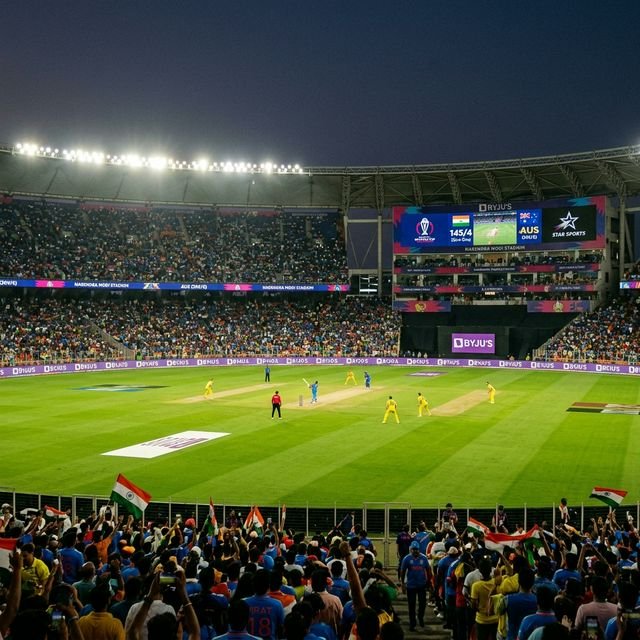
The night of March 8, 2026, was always destined to be electric. A sea of over 130,000 passionate spectators clad in blue flooded the stadium, expecting nothing less than fireworks. What unfolded transcended expectations. It was a masterclass in aggressive, fearless batting coupled with suffocating, surgical bowling that choked the life out of the Black Caps' run chase before it even truly began.
The Toss and The Intent
The flip of the coin went in Rohit Sharma’s favor. He did what any captain would do on a flat, true, unforgiving Ahmedabad track: he chose to bat first. The intention was crystal clear from ball one. India’s strategy in this tournament has revolved around unyielding aggression, regardless of the situation, and the final was no exception. New Zealand, captained by a pragmatic Mitchell Santner, opted for a spin-heavy attack, hoping to exploit any early grip. Unfortunately for them, the Indian power-hitters had other plans entirely.
The opening partnership of Yashasvi Jaiswal and Rohit Sharma went on an absolute rampage. Before the Kiwis could even adjust their field settings, India had blasted their way to 85 runs within the powerplay. There was no consolidation period; it was a sheer, unabashed assault on the bowling attack.
The Sanju Samson Masterclass
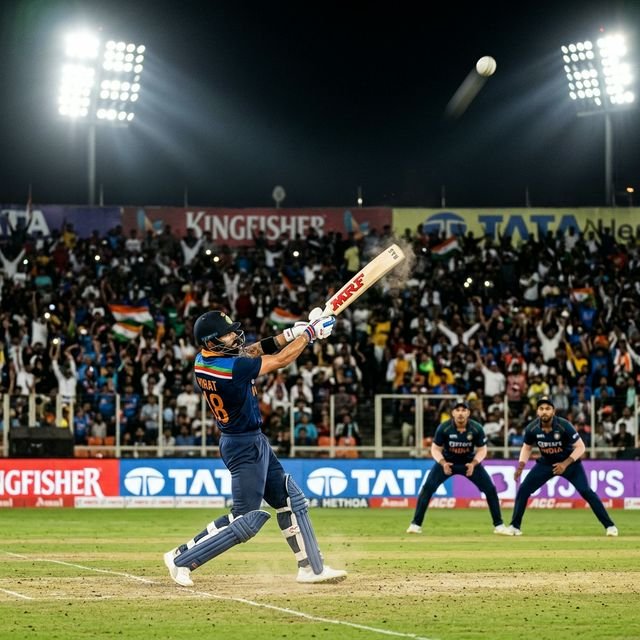
While the opening blitz was phenomenal, the true architect of the innings was Sanju Samson. Walking in at number three, Samson didn't just maintain the momentum; he elevated it to a stratosphere New Zealand couldn’t reach. His knock of 89 runs off a mere 41 deliveries was a compendium of elegance combined with brute force.
Samson’s innings was punctuated by 6 towering sixes and 8 scorching boundaries. He targeted the shorter square boundaries with remarkable precision and dismantled the spin of Ish Sodhi and independent seam variations of Lockie Ferguson. It was the highest individual score by an Indian in a T20 World Cup final. What stood out wasn't just the volume of runs, but the aesthetic purity of his strokes—effortless timing that sent the ball sailing into the ecstatic stands.
Supporting Samson were the youthful exuberance of Abhishek Sharma and Ishan Kishan. Abhishek, making his presence felt in his debut World Cup campaign, smashed a crucial 52 off 24 balls, while Kishan provided the final flurry with an unbeaten 35 off 14. By the time the dust settled on the first innings, India had posted an astronomical, record-breaking total of 255/5. It was the highest-ever total recorded in a T20 World Cup final, a mountain that proved far too steep for New Zealand to climb.
Brief Scores
| Team | Score | Top Performer (Bat) | Top Performer (Bowl) |
|---|---|---|---|
| India | 255/5 (20 overs) | Sanju Samson: 89 (41) | Jasprit Bumrah: 4/15 |
| New Zealand | 159/10 (17.4 overs) | Glenn Phillips: 45 (22) | Lockie Ferguson: 2/52 |
| Result: India won by 96 runs | |||
The Immovable Object: Jasprit Bumrah
Chasing 256 in a high-pressure final requires a miracle. New Zealand needed an explosive start from Finn Allen and Devon Conway to stand a chance. However, they ran into the immovable object that is Jasprit Bumrah. In a spell of sheer, unadulterated hostility and unmatched accuracy, Bumrah shattered the Kiwi top order.
His first over was a maiden that yielded two wickets—Conway trapped plumb in front with a swinging yorker, and Rachin Ravindra castled by a slower ball that dipped viciously. The game was essentially over within the first three overs. Bumrah finished with incredible, match-winning figures of 4/15 in his four-over quota, a masterclass in pace bowling on a batting paradise.
Axar Patel complemented the pace assault beautifully. His tight, stump-to-stump left-arm spin suffocated the middle order, picking up 3/27 in his four overs. Despite a valiant, fighting 45 from Glenn Phillips, the required run rate skyrocketed to over 18 an over by the 10th over. The pressure was insurmountable. New Zealand eventually capitulated, bundled out for a mere 159 in 17.4 overs.
Strategic Superiority
The underlying narrative of this victory was the strategic overhaul of the Indian T20 setup under coach Rahul Dravid and captain Rohit Sharma. There was a deliberate shift away from the anchor-heavy approach of past years. Every batsman in this lineup was given the license to attack, accepting the inherent risks. This philosophy was perfectly executed. The fielding was sharp, the bowling rotations unpredictable, and the intent was terrifying for the opposition.
New Zealand, conversely, looked slightly under-cooked against the raw pace and aggressive spin. Their strategy of utilizing slower ball bouncers backfired dramatically on the hard, bouncy Ahmedabad strip.
Tournament Leaderboard — Final Standings
Top Performers of the ICC Men's T20 World Cup 2026
| Rank | Player | Team | Stat (Runs/Wickets) |
|---|---|---|---|
| 1 | Jasprit Bumrah | India | 21 Wickets (Avg 11.4) |
| 2 | Sanju Samson | India | 410 Runs (SR 178) |
| 3 | Finn Allen | New Zealand | 385 Runs (SR 165) |
| 4 | Rashid Khan | Afghanistan | 18 Wickets (Avg 13.1) |
| 5 | Suryakumar Yadav | India | 342 Runs (SR 182) |
Conclusion & Verdict
India becoming the first team in history to successfully defend a T20 World Cup title isn't simply an achievement; it's a testament to their unrivaled depth and tactical evolution. They entered the tournament as favorites, handled the immense pressure of a home World Cup with grace, and delivered an utterly ruthless performance in the final.
For New Zealand, it's another heartbreak in a white-ball final. While they played exceptional cricket to reach this stage—specifically their 9-wicket thumping of South Africa in the semifinals—they simply ran into an Indian side that was historically good on the night.
As the fireworks illuminated the Ahmedabad sky and Rohit Sharma hoisted the trophy, it signaled the beginning of an era of undisputed dominance. T20 cricket is evolving rapidly, but right now, the blueprint for success is firmly residing in the Indian dressing room.
Frequently Asked Questions
India scored 255/5 in 20 overs. New Zealand were bowled out for 159 in 17.4 overs, resulting in a 96-run victory for India.
Sanju Samson was named Player of the Match for his rapid 89 off 41 balls, propelling India to a record total.
No, this is India's third ICC Men's T20 World Cup title. They also won in 2007, 2024, and now have successfully defended their title in 2026.
Jasprit Bumrah finished as the leading wicket-taker of the tournament with 21 wickets.